| Object | Description |
|---|---|

Expand-Collapse Control
|
Click to expand or collapse Entity Navigation Control |
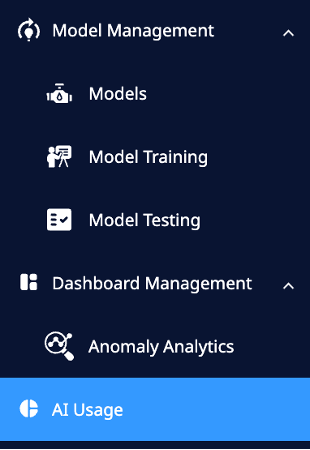
Entity Navigation Control
|
Access to different Data Insight entity
Model Management
- Models – Manage and organize machine learning models efficiently. - Model Training – Access a dedicated workspace to conduct training experiments for machine learning models. - Model Testing – Test machine learning models thoroughly before deploying them to production environments. Dashboard Management - Anomaly Analytics – Utilize a real-time interactive dashboard to view, analyze, and explore data for anomaly detection. AI Usage: Monitor the total AI usage within the project, providing insights into consumption and performance metrics. |
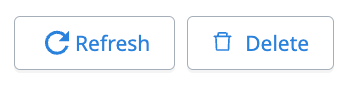
Table List Control button |
Control button of table list:
Refresh – Refresh list view to show latest available object Delete – Delete object from list view |
Search Control |
Search for the object of table list view across all the table column |
|
Table List Sorting Control |
It supports various mode of object sorting, below icon represent the mode of sorting: 
Neutral – No sorting rule apply to object 
Sort Ascending – Object are arranged from lowest to highest value 
Sort Descending – Object are arranged from highest to lowest value 
Sort Order – Data Insight table list view can sort multiple table column at same time, number beside sorting icon represent the sorting order privilege, number with 1 have the highest privilege, list view will sort for the object under this column first. |
Table List Page Control |
It works with record per page Control, if the maximum object reached the setting of record per page control, it would display on next page of table list, user can navigate the page by using this control. |
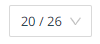
Record Per Page Control |
This control limits the maximum object to be display inside a page of table list, it supports 20,40,80 and 160 objects per page. Example the control shows below number: 20/187 It represents: Max object per page>/Total object available inside list view> |

Setting Control |
Open table list setting page to change the setting of list view column, details please refer to section Table List Setting |
|
User Profile Control |
It displayed the logged in user account id and username. It will popup below function dialog box when user click on it.
App Portal – Go back to AHI Application selection screen Switch Project – Go back to Data Analytic Project selection screen |

Logout |
Logout current user to AHI |

Help |
It redirects to the AHI document |